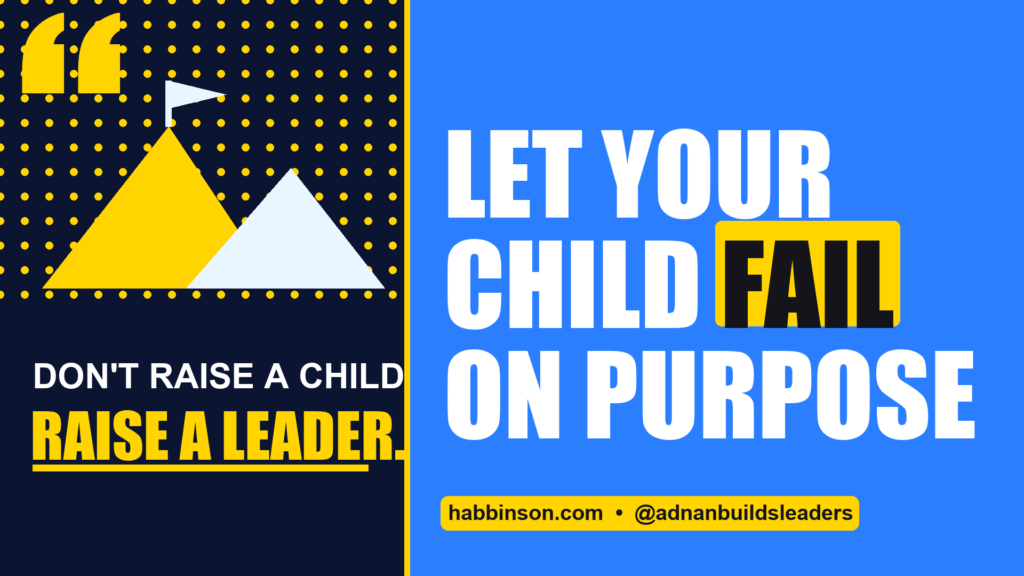

So, it’s painful to watch. But, your child’s project is going to flop, their plan won’t work, and you can see it coming a mile away. Every instinct says step in and save the day. But what if the flop is the lesson — and rescuing them steals it? Here’s why you should let your child fail on purpose, and how to do it in a safe, supportive way.
Still, here’s why you should let your child fail: a kid who never loses never learns how to recover. In fact, and recovery — getting up after a fall — is the single most important skill for a happy, successful life. You can’t teach grit with a speech. It’s built in the falling and the getting up.
Of course, the APA’s work on resilience describes it as a skill that grows through facing and working through difficulty — not avoiding it. Safe, small failures in childhood are the training ground.
Should you let your child fail on purpose?
Yet, yes, let your child fail on purpose, in safe, small ways. Then, a flopped project or a lost game teaches kids that setbacks aren’t the end and that they can recover. Stay warm, skip the lecture, and coach the bounce-back. That is how you let your child fail and grow real grit.
Why protecting kids from failure backfires
Instead, when we clear every obstacle, we send a message we never mean to send: you’re too fragile to handle hard things. A child who’s always rescued grows scared of failing, because they’ve never learned it’s survivable. So they stop trying. They avoid risks. They play small.
In short, a 2025 survey from the Institute for Family Studies found that kids given more independence — including the freedom to stumble — show stronger mental health. As a result, struggle, in safe doses, isn’t harmful. It’s protective.
For example, why is it good to let a child fail sometimes? Meanwhile, safe, age-appropriate failure teaches a child that setbacks aren’t the end of the world. They learn they can survive disappointment, fix mistakes, and try again. That belief — “I can recover” — is the root of resilience and the courage to take healthy risks later in life.
How to let your child fail safely
After all, this isn’t about setting kids up to crash. On the other hand, it’s about letting natural, survivable consequences teach what words can’t. Harvard’s research on executive function shows planning and self-correction grow when kids experience the results of their own choices.
- Likewise, let small stuff slide: a messy science project they rushed, a forgotten library book.
- Stay warm, not smug: never “I told you so.” Be the soft place to land.
- Even so, coach the recovery: “That didn’t go how you hoped. What will you do differently?”
- So, protect the big stuff: safety, health, and anything truly beyond their years.
But, and let them keep choosing — the APA notes that children who practice independence build judgment that protection can’t teach.
The Michael Jordan lesson
Still, Michael Jordan was cut from his high school varsity team. In fact, cut. The greatest basketball player ever wasn’t handed greatness — he was told he wasn’t good enough, and he used it as fuel. He has openly said he’s missed thousands of shots and lost hundreds of games, and that’s exactly why he succeeds.
Of course, failure didn’t break him. Yet, it built him. When your child learns that a setback is information, not a verdict, they stop fearing the very moments that make them grow. That’s the mindset behind every comeback story.
How bouncing back builds future leaders
Then, every entrepreneur, athlete, and leader has one thing in common: they’ve failed and kept going. Instead, a child who learns at eight that a flop isn’t fatal becomes a teen who tries out for the team, raises their hand, and pitches the bold idea. Resilience is the quiet engine under confidence and leadership.
In short, go deeper with our guides on why losing is a step toward winning and building real confidence in kids.
3 Ways to Let Your Child Fail Safely This Week
- As a result, let one rushed or imperfect task reach its natural result — no rescue.
- For example, when something flops, skip the lecture. Ask, “What did you learn?”
- Meanwhile, share a time you failed and recovered. Show them comebacks are normal.
The bottom line
After all, the flop you can see coming isn’t a disaster to prevent. On the other hand, it’s a lesson to allow. Let your child fail in small, safe ways, stay close as they recover, and you’ll raise a kid who knows the most freeing truth there is: falling down isn’t the end.
Likewise, want a clear path to raise a resilient, confident, capable child? Explore Habbinson’s courses on communication, confidence, and leadership for kids — and don’t just raise a child, raise a leader.
Frequently Asked Questions
Isn’t letting my child fail just bad parenting?
No — when it’s safe and supportive, it’s some of the best parenting there is. You’re not abandoning your child; you’re letting a small setback teach a lesson words can’t, while you stay close to help them recover.
How do I watch my child fail without stepping in?
Even so, remind yourself the goal is long-term strength, not short-term comfort. So, keep failures small and safe, stay warm, and focus on coaching the bounce-back. The discomfort you feel now buys your child resilience later.
When should you not let your child fail?
But, anything involving real danger, health, or harm — and tasks far beyond their age. Still, the aim is survivable, instructive setbacks: a flopped project, a lost game, a forgotten item. Not anything that truly hurts them.
My child falls apart when they fail. What helps?
In fact, normalize it. Name the feeling, share your own flops, and shift focus to the next try. Praise effort and recovery, not just results. Over time, repeated safe failures teach them the disappointment passes and they can keep going.
Won’t failing hurt my child’s confidence?
Of course, real confidence comes from knowing you can handle hard things — and that only grows by handling them. Constant rescuing creates fragile confidence; surviving small failures creates the durable kind.
How young can you let your child fail?
Yet, toddlers can handle a tower that falls or a puzzle that’s tricky. Then, keep it age-appropriate and let them wrestle with small challenges. The lesson — try, fail, try again — scales up as they grow.