
Someone will tell your child they’re not enough. Too small, too slow, not smart enough, not talented enough. A coach, a teacher, a classmate — or the quiet voice in their own head. In those moments, whether your child gives up or pushes on often comes down to one thing: did someone believe in them? Make sure that someone is you.
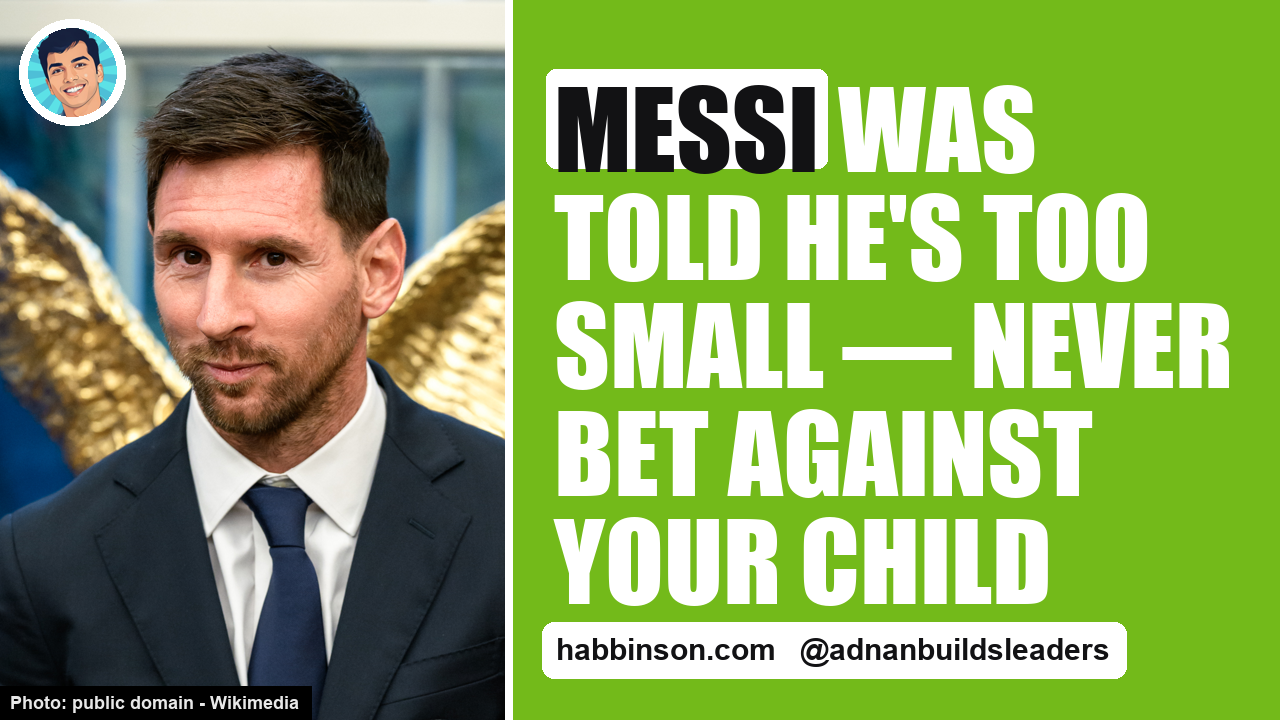
Think of **Lionel Messi. As a boy he was diagnosed with a growth hormone deficiency and was tiny for his age — so small that clubs doubted he could ever make it. He was, by the world’s measure, ‘too small.’ But his family believed, Barcelona took a chance and funded his treatment, and that ‘too small’ boy became arguably the greatest footballer who ever lived. The size was real. So was the self-belief.
Here’s the truth: self-belief isn’t something a child is born with. It’s something the adults around them build. Let’s look at how to believe in your child in a way that actually sticks — so the world’s doubts never get the final word.
Why believing in your child matters so much
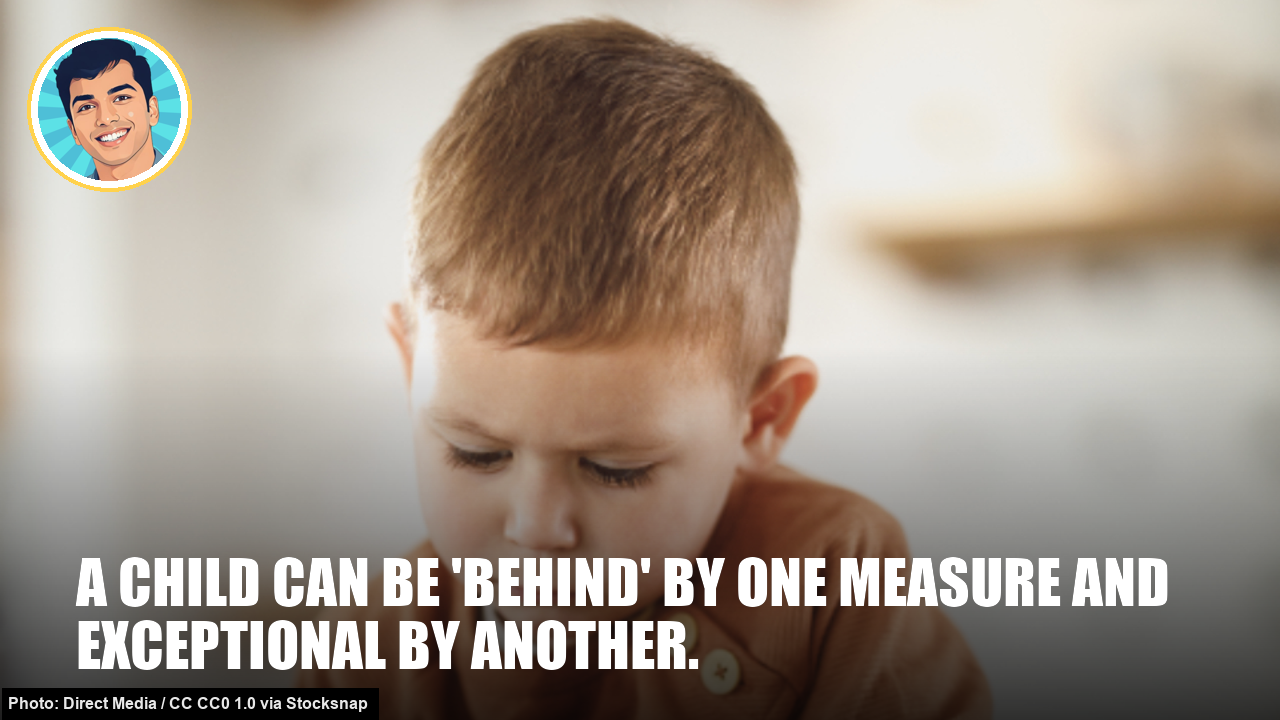
A child’s view of themselves is built from the mirror you hold up. When they’re young, they don’t yet know who they are — they learn it from how the most important people treat them. Believe in them, and they slowly learn to believe in themselves. That inner belief is what carries them through every ‘you’re not good enough’ to come.
What is self-belief in children? Self-belief is a child’s quiet conviction that they are capable and worth backing, even when they fail or fall short. It isn’t arrogance or constant praise — it’s resilience: the ability to keep trying and not be crushed by setbacks or other people’s doubts. It’s built by adults who believe first.
But here’s the key: real confidence isn’t built by empty praise. The Child Mind Institute is clear that confidence comes from competence and resilience — from doing hard things and surviving failure, not from being told you’re amazing. Believing in your child means backing their effort, not inflating their ego.
How to build self-belief (the right way)
- Praise effort and grit, not just talent. ‘You kept going when it was hard’ builds a child who pushes on. ‘You’re so gifted’ builds a child who quits when it gets tough.
- Let them do hard things. Confidence grows from real accomplishment. Let them struggle, fail, and finally get it — that’s where belief is born.
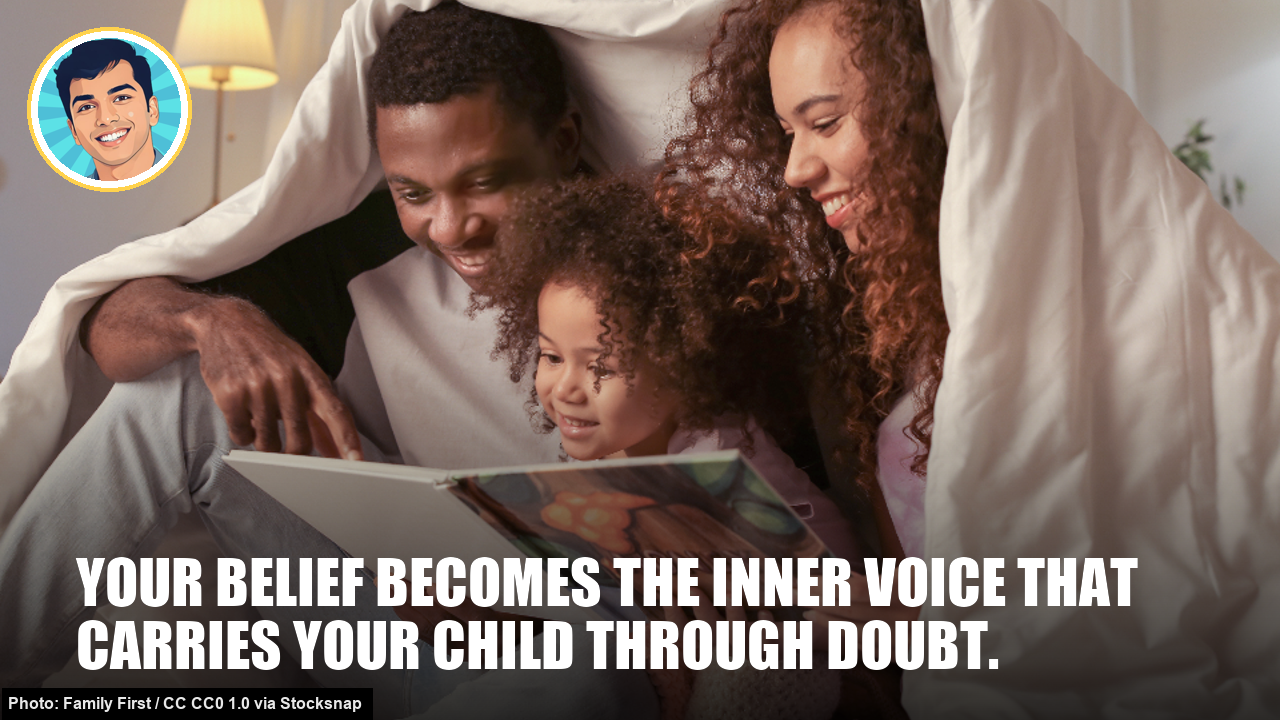
- Be their steady mirror. When the world says ‘not enough,’ say calmly, ‘I believe in you, and I’ve seen you work.’ Be the voice they internalise.
- Separate the setback from their worth. ‘You didn’t make the team this time’ — not ‘you’re not good enough.’ Failures are events, not identities.
And remember confidence is built in small moments. The Child Mind Institute notes that small, everyday wins — real responsibilities, mastered skills, problems solved — do far more for a child’s self-belief than any pep talk. Let them earn it, brick by brick. The American Academy of Pediatrics agrees that healthy self-esteem grows from competence and being valued, not from praise alone.
From ‘too small’ to a child who stands out
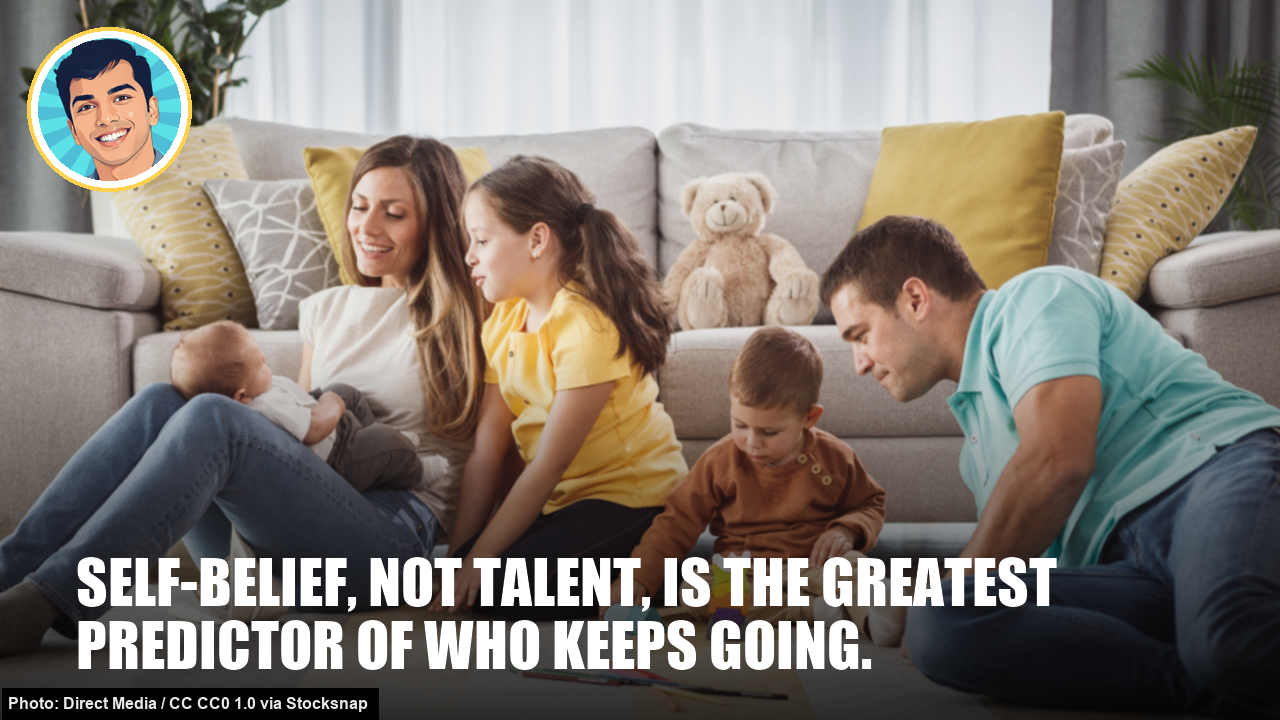
Here’s the long game. The world will doubt your child many times. The ones who keep going aren’t the most talented — they’re the ones who carry an inner voice that says ‘I can figure this out.’ That voice is the single greatest predictor of who recovers from failure and who quits. And you are the one who installs it.
Messi’s belief outgrew his height. Your child’s belief can outgrow whatever the world tells them they lack. Back their effort, let them earn real wins, and be the steady voice that says ‘I believe in you.’ Do that, and no one’s doubt will ever get the final word. Our guides on building real confidence in kids and why personality development must start in childhood take it further.
The bottom line: believe in your child
The world will call your child ‘not enough’ more than once. Be the voice that says otherwise — by backing their effort, letting them earn real wins, and separating setbacks from their worth. Build the self-belief that let a ‘too small’ boy become Messi, and no one’s doubt will ever get the final word.
Want a clear path to raise a resilient, confident, standout child? Explore Habbinson’s courses — and don’t just raise a child, raise a leader.
Frequently Asked Questions
How do I build self-belief in my child?
Praise effort and grit rather than talent, let them do hard things and earn real wins, be the steady voice that says ‘I believe in you,’ and separate setbacks from their worth. Self-belief grows from real accomplishment plus an adult who believes first — not from constant praise.
My child says they’re ‘not good enough.’ What do I say?
Separate the setback from their identity: ‘You didn’t make it this time’ — not ‘you’re not good enough.’ Then point to real effort you’ve seen: ‘I’ve watched you work hard, and I believe in you.’ Help them see failure as an event to learn from, not a verdict on who they are.
Isn’t too much praise bad for kids?
Empty praise can be. Telling a child they’re amazing for everything builds a fragile ego that crumbles at the first failure. Real confidence comes from competence — doing hard things and surviving setbacks. Back their effort and let them earn wins; that builds belief that lasts.
How do I help a child who feels too small or behind?
Believe out loud, and let them build real competence in something. Like Messi, a child can be behind by one measure and exceptional by another. Focus on effort and growth, celebrate small wins, and be the voice that says their worth isn’t decided by one limitation or one setback.
Why does my belief in my child matter so much?
Young children learn who they are from how the most important adults treat them. Your belief becomes their inner voice. When you back them through failure, they slowly learn to back themselves — and that inner ‘I can figure this out’ is what carries them through every doubt and setback to come.