
So, watch a nervous kid give a class talk. But, the words tumble out fast, run together, trail off. Still, now watch a confident speaker. In fact, they stop. They breathe. They let a beat of silence sit there. That pause is the whole secret, and you can teach it tonight. This is how you help a child speak with confidence, one small habit at a time.
Of course, if you want to know how to help your child speak with confidence, start here: confidence isn’t about big words or a loud voice. Yet, it’s about not rushing. A child who can pause for two seconds sounds calm, sure, and in charge — even when their heart is pounding.
Then, strong communication is a skill, not a gift you’re born with. The CDC’s guidance on communicating with your child treats talking as something kids learn by practice. The pause is the easiest piece to practice first.
How do you help a child speak with confidence?
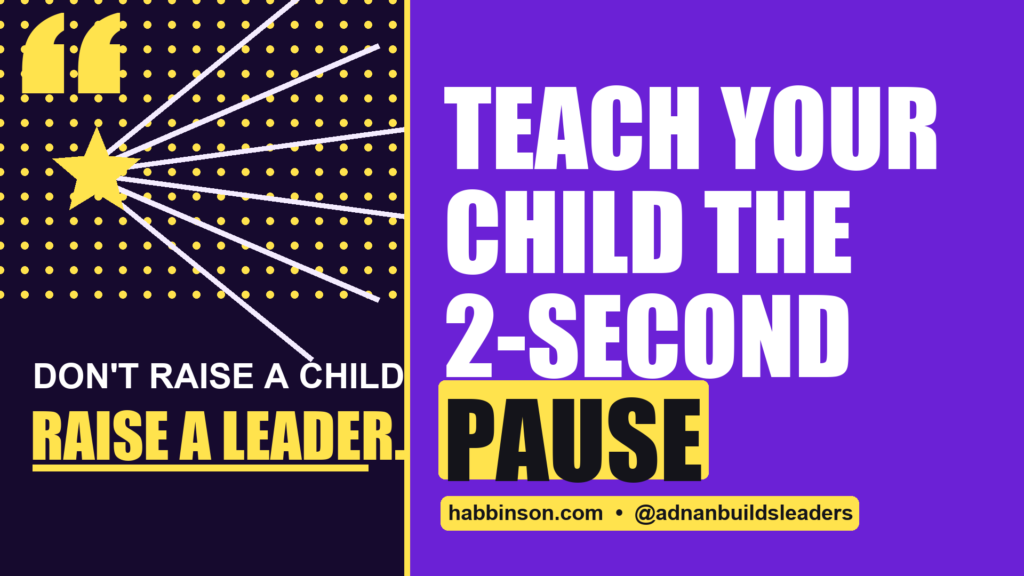
To help a child speak with confidence, teach the two-second pause. One slow breath before they answer makes them sound calm and clear, and it slows their racing thoughts so the next sentence comes out right. The ability to speak with confidence is a habit you practice, not a gift.
Why fast talking reads as nervous
Instead, when kids feel anxious, they speed up to get it over with. In short, the problem? Fast, run-on speech sounds unsure to everyone listening. Pauses get swallowed. Filler words creep in — um, like, so. The message gets lost, and the child feels even more flustered.
As a result, a pause flips all of that. It gives the brain a half-second to catch up and the listener a moment to absorb. Harvard’s work on executive function — the brain’s self-control system — shows that the ability to slow down and plan a response grows with practice. The pause is that system in action.
For example, why does pausing make a child sound confident? Meanwhile, a pause signals control. It tells listeners the speaker isn’t panicking to fill silence — they’re choosing their words. It also slows the child’s own racing thoughts, so the next sentence comes out clearer. Two seconds of calm silence reads as confidence, even when the child feels nervous inside.
How to Help Your Child Speak With Confidence
After all, you don’t need a public-speaking course. You need a tiny game and a few minutes.
- On the other hand, name it: tell your child that good speakers pause, and silence is their friend, not their enemy.
- Mark it: have them take one slow breath before answering a question. The breath IS the pause.
- Practice low-stakes: at dinner, ask a question and say “take your time” before they answer.
- Pause before the punchline: when they tell a story, coach them to stop right before the best part.
- Likewise, praise the calm, not just the content: “I loved how you slowed down there.”
Even so, keep it playful. So, the American Psychological Association’s parenting resources stress that low-pressure practice builds skills faster than drilling. Make it a game and the habit sticks.
The King’s Speech lesson
But, remember The King’s Speech? Still, king George VI had a terrible stammer. His coach, Lionel Logue, didn’t teach him fancy words. He taught him rhythm, breath, and the power of slowing down. By the end, the King delivers a steady, powerful wartime speech — not because the fear vanished, but because he learned to pause and breathe through it.
In fact, your child doesn’t need to lose their nerves. Of course, they need a tool to speak well anyway. The pause is that tool. It works for a six-year-old answering a teacher and a sixteen-year-old pitching an idea.
How the pause builds a future leader
Yet, a child who speaks with calm control gets heard. Then, they lead group projects, win debates, pitch ideas, and handle tough questions without freezing. The pause is a tiny habit with a huge payoff — it’s the difference between a kid with good ideas and a kid who can sell them.
Instead, this is the heart of standing out. Our guides on building real confidence in kids and helping children learn naturally build on the same foundation.
3 Ways to Help Kids Speak With Confidence
- Record your child telling a 30-second story, then play it back. Let them hear the rush.
- Practice answering “what did you do today?” with one breath first.
- Model it yourself: pause before you answer them, and name it: “Let me think for a second.”
The bottom line
In short, your child doesn’t need a bigger vocabulary or a louder voice. As a result, they need two seconds of calm. Teach the pause, praise the calm, and watch your child start to sound like the confident speaker they can be.
For example, want a clear path to raise a confident, well-spoken child? Explore Habbinson’s courses on communication, confidence, and leadership for kids — and don’t just raise a child, raise a leader.
Frequently Asked Questions
How do I help a shy child speak with more confidence?
Meanwhile, start small and private. Practice one-breath pauses at home where there’s no audience. Praise the calm delivery, not just the words. Confidence grows from safe reps, so build up slowly from dinner-table questions to bigger moments.
Why does my child talk so fast when nervous?
After all, speeding up is the brain trying to escape the discomfort fast. Teach the opposite: one slow breath before answering. That breath becomes the pause, and the pause slows the racing thoughts that cause the rush.
At what age can kids learn to speak with confidence?
As young as five or six. Keep it a game — “take one breath, then tell me.” Older kids and teens benefit too, especially before presentations, interviews, or tough conversations.
Isn’t pausing just awkward silence?
A two-second pause feels long to the speaker but natural to listeners. On the other hand, it reads as thoughtful, not awkward. The awkward version is rushing and stumbling — the pause actually fixes that.
How do you help a frozen child speak with confidence?
Likewise, freezing often comes from fear of getting it wrong. Lower the stakes, let them practice with you, and praise effort over perfection. A planned pause gives a frozen child a small, doable first step: just breathe.
Does this help with stuttering?
A calm, slower pace can ease the pressure that worsens stumbling, but stuttering is a clinical area — if it’s persistent or distressing, a speech-language therapist is the right support. The pause is a confidence tool, not a medical fix.