
So, your child hits a problem and looks up at you with those eyes: fix it for me. And because you love them (and you’re busy), you do. Quick answer, problem solved, everyone moves on. But you just did the most valuable part — the thinking — for them. This one question is how you build problem-solving skills in kids without lifting a finger.
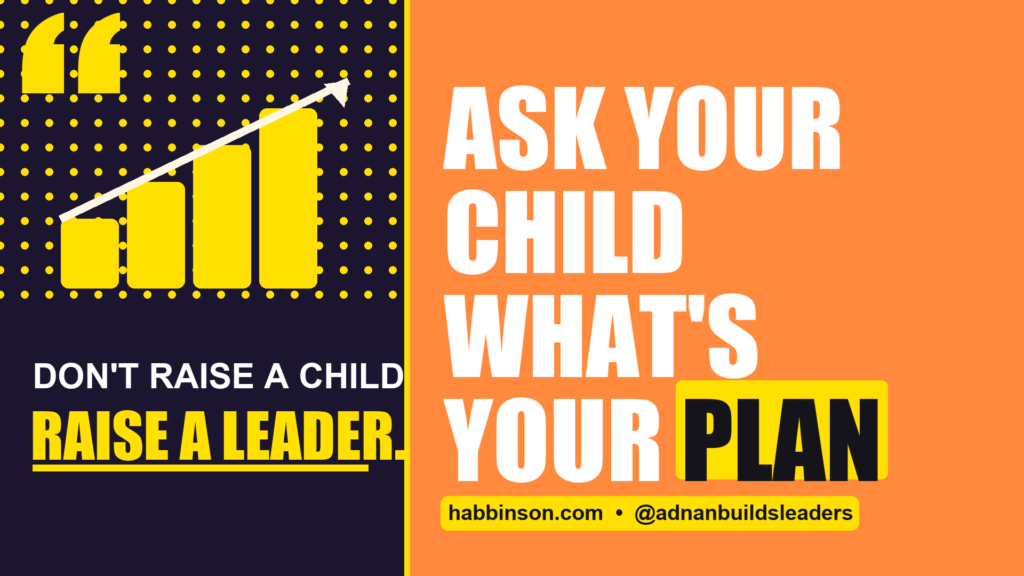
But, if you want to know how to build problem solving skills in kids, the shift is small and powerful: stop giving the answer, start asking the question. Four words do most of the work — “What’s your plan?” It hands the problem back, gently, and tells your child: I think you can figure this out.
Still, this is the engine of initiative. In fact, harvard’s research on executive function — the brain’s planning and decision system — shows these skills grow only when kids actually use them. Every answer you hand over is a rep they don’t get.
How do you build problem-solving skills in kids?
To build problem-solving skills in kids, stop handing over answers and start asking questions: ‘what’s your plan? what have you tried?’ This keeps the thinking with your child, so they practice planning, weighing options, and acting, which are the real core of problem-solving skills.
Why handing over answers stalls growth
When you solve it, the problem disappears — but so does the learning. Of course, your child gets the result without the reasoning. Do that on repeat and they learn a quiet lesson: when something’s hard, wait for an adult. That’s the opposite of initiative.
Yet, asking “what’s your plan?” does something different. Then, it keeps the problem in their hands and turns on their thinking brain. The APA’s work on children and independence shows kids who get to make decisions build stronger judgment and confidence in their own ideas.
Instead, how can parents build problem-solving skills in kids? Resist solving problems for them. When your child is stuck, ask questions instead of giving answers: “What’s your plan? What have you tried? What could you do next?” This keeps the thinking with the child, so they practice planning, weighing options, and acting — the core of problem-solving.
Questions That Build Problem-Solving Skills
In short, you don’t need to know the answer yourself. As a result, you just need good questions. Keep them open, curious, and pressure-free.
- For example, “What’s your plan?” — the opener that hands it back.
- Meanwhile, “What have you already tried?” — makes them review, not restart.
- After all, “What are two things you could do?” — builds the habit of options.
- On the other hand, “What do you think will happen if you do that?” — grows foresight.
- Likewise, “How did that work out? What would you change?” — turns the result into learning.
Then wait. Let the silence sit. The CDC’s tips on communicating with your child remind us that giving kids time to respond — instead of jumping in — is where the real growth happens.
The 3 Idiots lesson
Even so, in 3 Idiots, Rancho never just memorizes answers — he asks why, takes things apart, and figures them out. While others chase grades, he chases understanding. That habit of thinking, not just repeating, is what sets him apart and makes others follow him.
That’s the mindset you’re building with four little words. A child who’s used to asking “what’s my plan?” becomes a teen who solves problems instead of avoiding them — and a young adult who leads instead of waits.
How problem-solvers become leaders
So, leaders aren’t the people with all the answers. They’re the people who can face a messy problem and figure out a next step. A child who practices planning at six is rehearsing the exact skill every founder, captain, and leader needs. This is communication and initiative working together — the stuff that makes a kid stand out.
But, keep building. Our guides on helping children learn naturally and building real confidence in kids go further on raising an independent thinker.
3 Ways to Build Problem-Solving Skills This Week
- Catch yourself before answering. Bite your tongue and ask “what’s your plan?” instead.
- Still, let them own one small problem fully — from stuck to solved — without you stepping in.
- In fact, celebrate the thinking: “I love how you figured that out yourself.”
The bottom line
The next time your child looks up and wants you to fix it, pause. Of course, hand the problem back with four words — “what’s your plan?” — and let them feel the pride of solving it. You’re not being unhelpful. You’re building a thinker.
Yet, want a clear path to raise a sharp, confident, independent child? Explore Habbinson’s courses on communication, confidence, and leadership for kids — and don’t just raise a child, raise a leader.
Frequently Asked Questions
What if my child’s plan is wrong?
Then, let them try it if it’s safe. A plan that flops is a powerful teacher — ask “how did that go, and what would you change?” Kids learn more from a small, safe failure they own than from a correct answer you hand them.
My child just says ‘I don’t know.’ What then?
Instead, that’s often a reflex, not the truth. Wait quietly, then offer a nudge: “What are two things you could try?” Resist filling the silence. Most kids will think if they realize you’re not going to rescue them.
Isn’t telling them faster than building problem-solving skills?
In short, today, yes. As a result, long term, no. Every answer you hand over is a thinking rep your child misses. A few extra minutes now builds a child who can solve their own problems later — saving you far more time down the road.
At what age should I start asking instead of telling?
For example, as soon as they can talk in sentences. Meanwhile, keep it simple for little ones — “What could we try?” — and let the questions grow more complex as they do. It’s never too early or too late.
Won’t this frustrate my child?
After all, a little friction is fine — that’s the brain working. On the other hand, keep your tone warm and supportive, not testing. If they’re truly overwhelmed, step in with a hint. The goal is a stretch, not a struggle that shuts them down.
How do problem-solving skills build confidence?
Likewise, every problem a child solves themselves proves they’re capable. That proof, stacked up over time, becomes genuine confidence — the quiet, durable kind that comes from “I did it,” not from being told they’re great.