
Your child has the right answer but won’t raise their hand. A great idea in the group project, said too quietly to hear. We watch brilliant kids shrink when it’s time to speak — and we worry it’ll hold them back. It can. But the ability to speak up is a skill, and you can build it young.
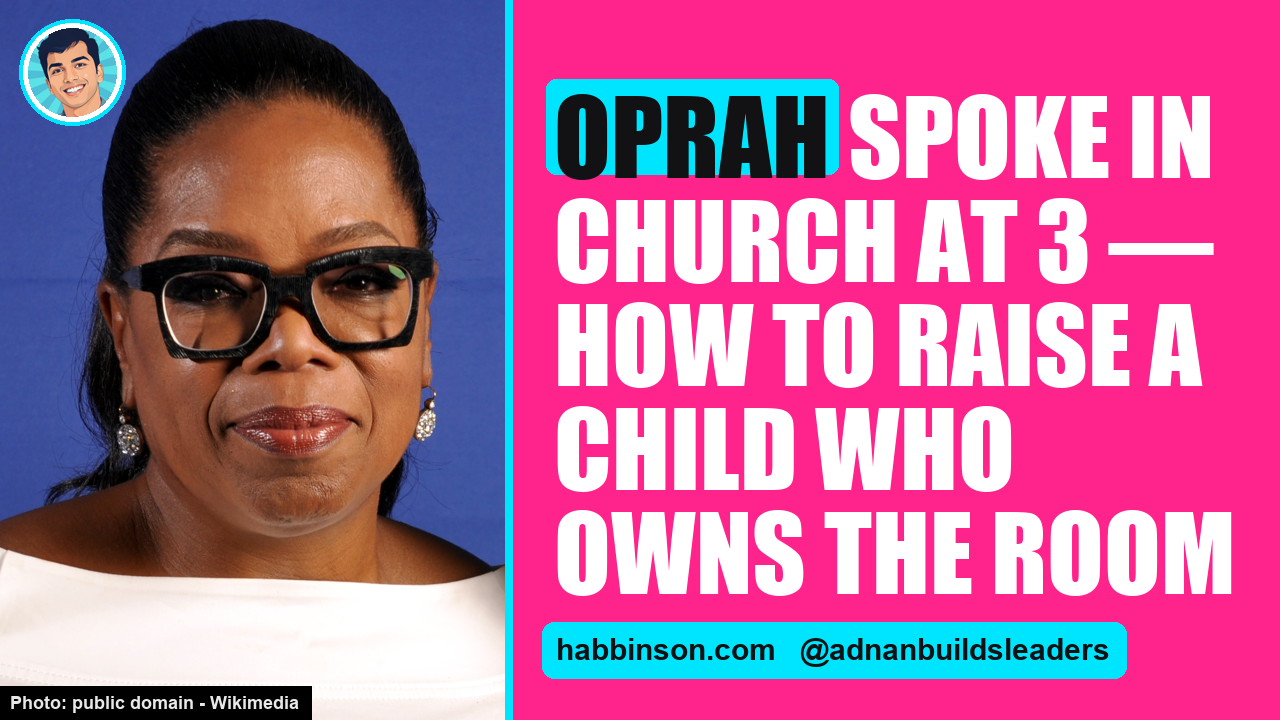
Consider **Oprah Winfrey. Long before she became one of the most influential voices on earth, she was a little girl reciting speeches in church — so confident at the podium that people nicknamed her ‘The Preacher’ by the age of three. She wasn’t born a superstar broadcaster. She started speaking early, in safe rooms, and grew into the skill.
That’s the secret of public speaking for kids: it isn’t a talent you have or don’t. It’s a muscle that grows with practice in low-stakes places. Let’s look at why it matters so much, and how to raise a child who can hold a room.
Why public speaking for kids matters more than grades
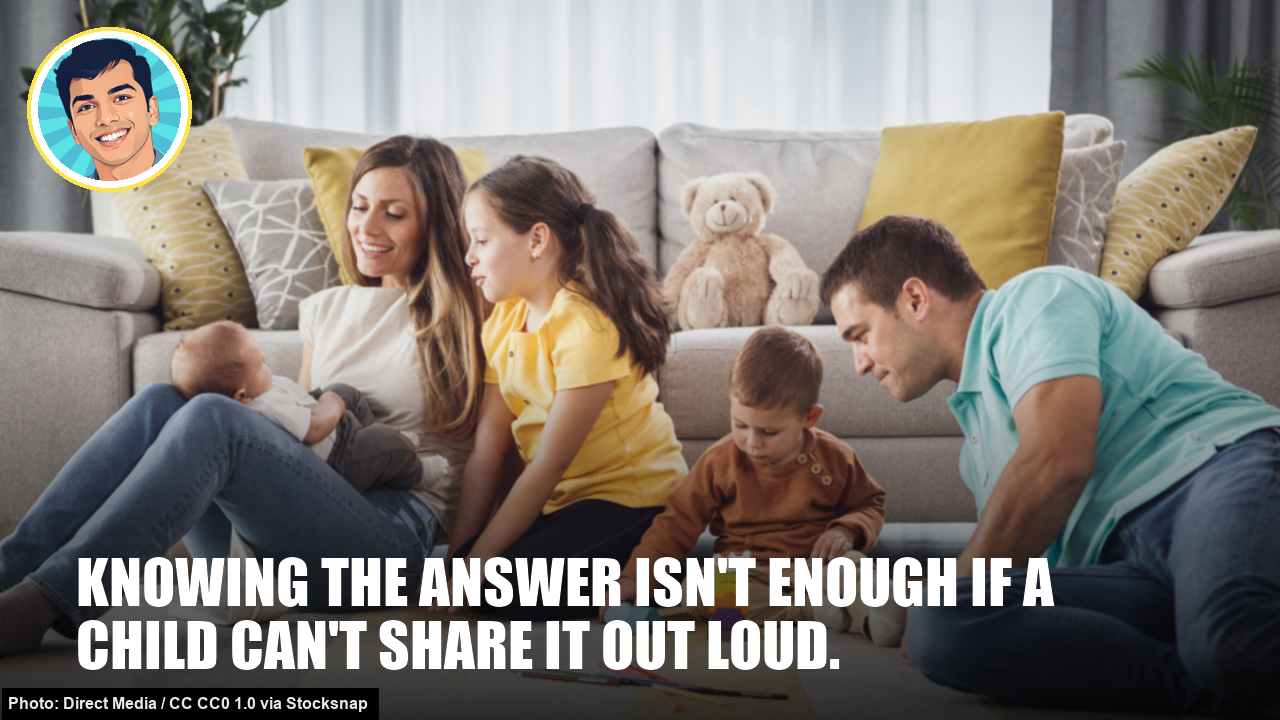
A child can know everything and still be overlooked if they can’t share it. The ability to speak clearly and confidently shapes friendships, leadership, job interviews, and whether good ideas ever get heard. It’s one of the highest-leverage skills a child can own.
Why is public speaking important for children? Speaking confidently lets a child share ideas, ask for what they need, lead a group, and stand out. It builds self-esteem and opens doors that grades alone never will. And because it’s a skill, not a fixed trait, every child can grow it with safe, regular practice.
And confidence isn’t built from praise — it’s built from doing. The Child Mind Institute notes that real confidence in kids comes from competence: from actually doing things and getting better, not from being told they’re great. Speaking is the same. Reps build it.
4 ways to raise a confident young speaker

- Start in the safest room: home. Let your child tell the dinner-table story, give the ‘weather report,’ or present their drawing. Family first, audience later.
- Make them feel heard. A child who is truly listened to learns their voice matters. Put the phone down, make eye contact, and let them finish.
- Practise small reps often. Ordering their own food, asking a shopkeeper a question, thanking a host out loud. Tiny speaking wins stack up.
- Coach the basics gently: slow down, look up, stand tall, pause. Praise the courage to speak, not just a perfect performance.
And go gently with a shy child. The Child Mind Institute’s advice for a shy, less-confident child is to build up in small, manageable steps rather than push them onto a big stage. Confidence grows from small wins, not from being thrown into the deep end.
From quiet kid to a child who stands out

Here’s the long game. The child who can stand up, speak clearly, and hold a room doesn’t just do well in school plays. They lead teams, ace interviews, rally people behind ideas, and get chosen for opportunities the quiet-but-equally-capable kid never hears about. A strong voice is a door-opener for life.
Oprah’s empire was built on a voice that started in a small church. Your child’s voice starts at your dinner table. Give them safe rooms to practise in, listen like it matters, and watch a quiet kid grow into someone who can hold any room. Building real confidence in kids and when your child has a lot to say carry it forward, alongside our self-esteem building blocks.
The bottom line on public speaking for kids
Don’t let a quiet voice hide a bright mind. Public speaking for kids is a learnable muscle — built in safe rooms, through being heard, and with small daily reps. Start at the dinner table, coach gently, and grow a child who can hold any room, the way one little girl in a church grew into Oprah.
Want a clear path to raise a confident, well-spoken, standout child? Explore Habbinson’s courses — and don’t just raise a child, raise a leader.
Frequently Asked Questions
How do I help my child speak more confidently?
Start in the safest room — home. Let them tell stories at dinner, present a drawing, or give a little ‘report.’ Listen like it matters, give them small real-world speaking reps like ordering their own food, and coach gently: slow down, look up, stand tall. Confidence grows from practice, not pressure.
My child is too shy to speak up. What can I do?
Build up in small, manageable steps rather than pushing them onto a big stage. Start with family, then one trusted friend, then slightly bigger moments. Praise the courage to try, not just the performance. Each small win makes the next one easier, and shyness eases with safe practice.
Is public speaking really important for kids?
Yes — arguably more than grades. A child who can share ideas clearly gets heard, makes friends, leads, and is chosen for opportunities others miss. Knowing the answer isn’t enough if they can’t say it. Speaking confidently is one of the highest-leverage skills a child can build.
At what age should kids start practising speaking?
As soon as they can talk. Oprah was reciting in church by three. You don’t need a stage — dinner-table stories, presenting a toy, or thanking a host out loud all count. Early, low-stakes practice in safe rooms is exactly how confident speakers are made.
Should I push my child to perform in front of people?
Encourage, don’t force. Pushing a nervous child onto a big stage can backfire and increase fear. Instead, scale up gently from safe, small audiences and celebrate the courage to speak at all. The goal is a child who wants to use their voice, not one who dreads it.